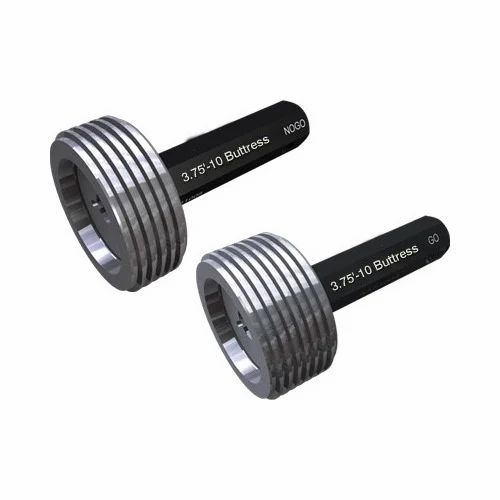


Description
Product details
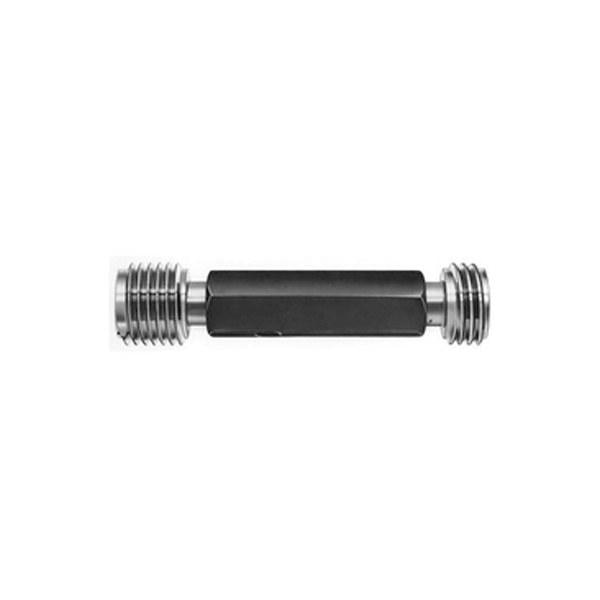
An ANSI buttress thread is a type of screw thread profile defined by the American National Standards Institute (ANSI). It's characterized by a non-symmetrical, sawtooth-like shape, with one side angled and the other relatively flat, designed for high-strength applications where force is primarily applied in one direction. Here's a more detailed explanation: Key Features of ANSI Buttress Threads: Asymmetrical Profile: One side of the thread is flat, acting as a bearing surface, while the other side is angled, typically at a 45-degree angle. Single Direction Force: Buttress threads are specifically designed to handle high axial thrust (force) in one direction, making them suitable for applications where one-way load is a primary concern. High Load Capacity: The flat, bearing surface provides a large contact area, enabling buttress threads to withstand significant loads in the intended direction. Efficiency and Friction: They offer high efficiency, comparable to square threads, in the bearing direction, and low friction in that direction. Easier to Manufacture: Compared to square threads, buttress threads are easier to manufacture. Uses of ANSI Buttress Threads: High-Strength Applications: They are commonly used in situations requiring high load capacity and force in a single direction, such as in breechblocks of artillery. Leadscrews: Buttress threads are suitable for leadscrews, where one-directional thrust is a critical requirement. Specialized Applications: They can also be found in applications like oil and gas casing, where the thread profile provides strength and resistance to galling.